
Pharmakeyboard_arrow_rightWhite Papers / Secure sterility and accelerate your aseptic with Nebula, hyperspeed decontamination technology and Injecta 36, high-speed advanced robotic processing.
menu

The pharmaceutical industry demands high adaptability and compliance in a fast-paced market where time-to-market is a critical differentiator. IMA Life has developed advanced technologies that address these needs: INJECTA 36 and NEBULA.
INJECTA 36 is a high-performance aseptic fill-finish solution designed to bring maximum throughput, flexibility and scalability with a strong focus on pre-filled syringes (PFS). NEBULA is a continuous decontamination system employing vaporized hydrogen peroxide (VHP) for efficient RTU (Ready-To-Use) component decontamination. This white paper details the advantages of combining INJECTA 36’s high-speed fill-finish capability with NEBULA’s robust surface decontamination to optimize aseptic manufacturing, reduce contamination risks, and streamline production.
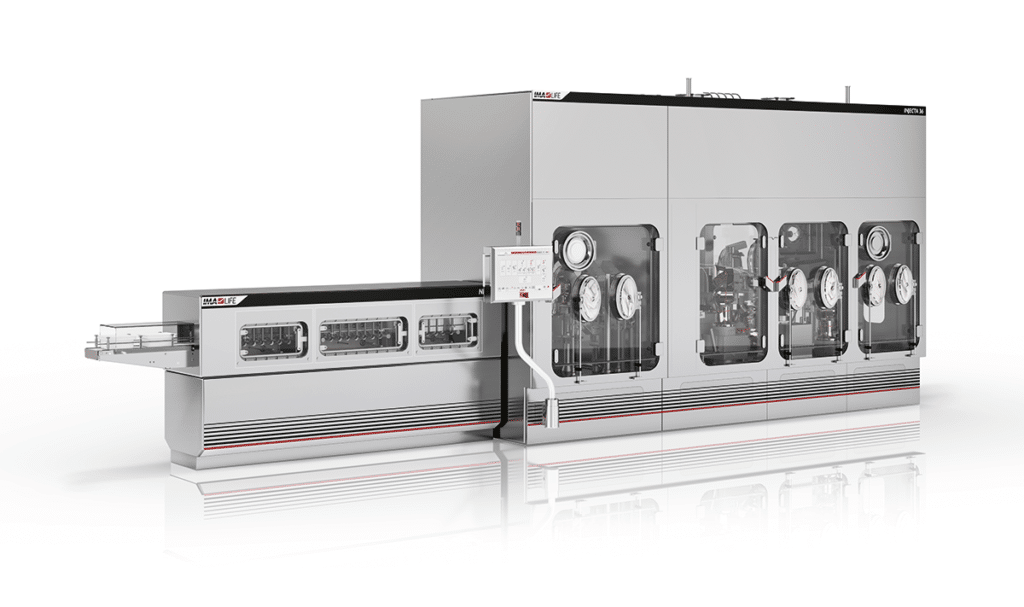
Flexibility in handling various container formats, such as vials, syringes, and cartridges, is essential for CDMOs and large pharmaceutical manufacturers. These companies also face stringent GMP compliance requirements, which necessitate innovative solutions to reduce time-to-market without compromising quality or patient safety. The handling of RTU components introduces additional considerations in aseptic manufacturing. Traditional bulk handling methods, which rely on washers and depyrogenation tunnels, are increasingly being supplemented or replaced by RTU systems for pre-sterilized materials. However, conventional methods for introducing RTU components into Grade A environments pose operational and regulatory challenges, including managing the sterility of packaging and reducing contamination risks during handling.
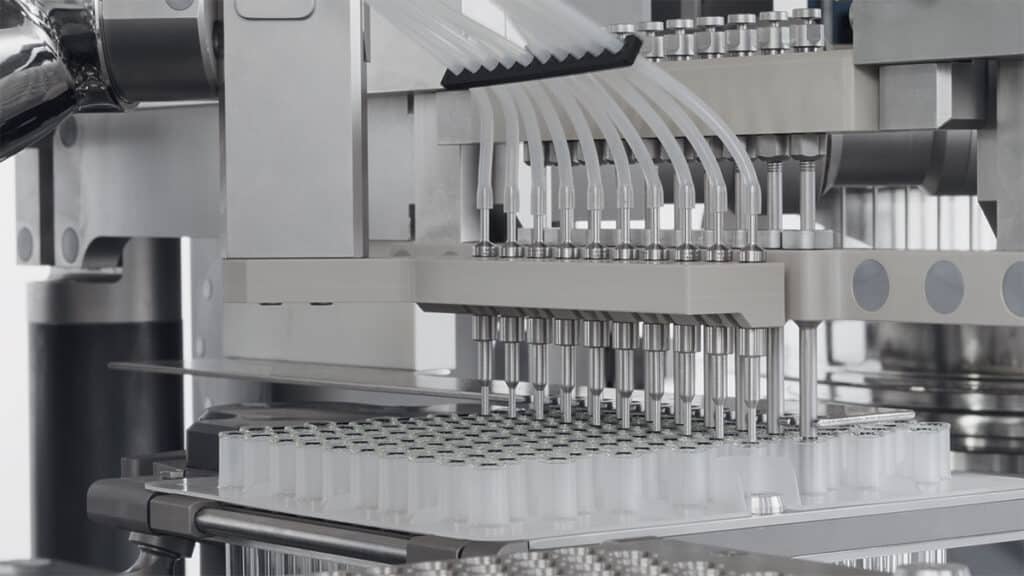
INJECTA 36 was developed to meet the highest industry standards, providing an aseptic fill-finish solution that minimizes operator intervention through advanced robotics and automation. Key features of INJECTA 36 include:
Through these innovations, INJECTA 36 provides pharmaceutical manufacturers with a solution to improve operational efficiency, enhance sterility assurance, and ensure GMP compliance in aseptic fill-finish processes.
NEBULA represents a cutting-edge approach to RTU component decontamination, overcoming the limitations of traditional No-Touch-Transfer (NTT) and surface decontamination methods. It leverages high-concentration vaporized hydrogen peroxide (VHP) to decontaminate RTU containers in a dynamic, continuous flow system. Notable features of NEBULA include:
NEBULA’s ability to continuously process high-speed RTU introductions enhances sterility without extensive mechanical complexity, making it an efficient solution for aseptic processing environments.
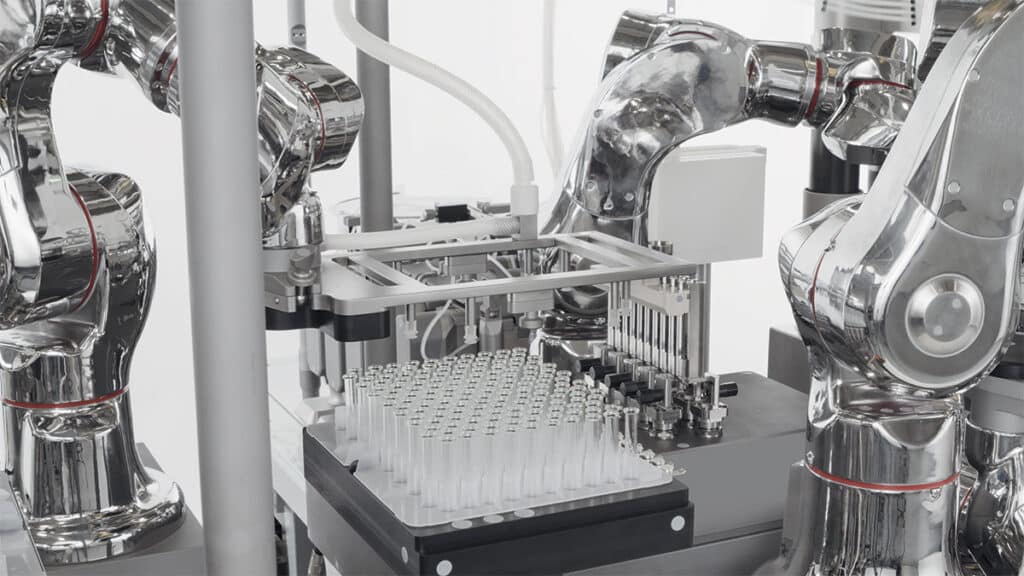
4. Integrating INJECTA 36 and NEBULA for optimal aseptic processing
Combining INJECTA 36’s high-speed, aseptic fill-finish capabilities with NEBULA’s continuous decontamination tunnel creates a comprehensive solution that addresses key challenges in modern pharmaceutical manufacturing.
Key advantages of the integrated solution:
This integration supports GMP compliance and minimizes the risk of contamination, enhancing overall sterility.
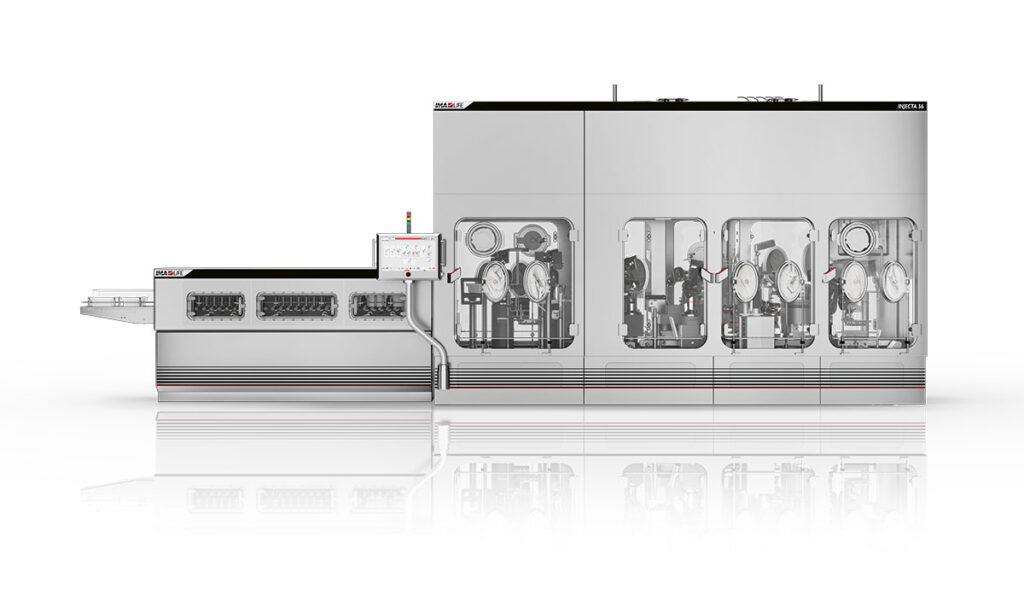
The integration of INJECTA 36 with NEBULA’s continuous decontamination tunnel represents a breakthrough in aseptic processing technology, offering pharmaceutical manufacturers a combined solution for high-speed fill-finish activities and efficient RTU decontamination. With NEBULA’s continuous VHP system ensuring consistent, high-log decontamination and INJECTA 36’s robotic flexibility supporting high throughput with minimal contamination risks, this integrated system provides unmatched efficiency and compliance.
Pharmaceutical companies that adopt this combination can achieve faster time-to-market, optimize operational efficiency, and meet rigorous GMP standards – especially vital for time-sensitive products such as vaccines, Monoclonal Antibodies (mAb)-based drugs, advanced biological drugs and essential medications.
This integrated approach promises to set a new standard in aseptic manufacturing, enabling the pharmaceutical industry to keep pace with growing demands while maintaining the highest quality and safety standards.
You can access further literature here>>