Pharmakeyboard_arrow_rightWhite Papers / IMA LIFE approach to No-Touch Transfer (NTT) of pre-sterilised Ready-To-Use (RTU) containers.
menu

The pre‑filled syringe manufacturing industry faces increasing demands for enhanced sterility assurance while maintaining high‑speed production capabilities. This white paper examines how IMA LIFE NTT technology reduces contamination risks, supports productivity up to 36,000 syringes per hour, and ensures GMP compliance in modern pharmaceutical manufacturing.
The pre‑filled syringe manufacturing sector is experiencing significant transformation driven by evolving pharmaceutical demands and regulatory requirements. The process of introducing RTU materials into the aseptic area involves high risks from a sterility assurance perspective, particularly during critical operations such as material transfer between classified areas, bag opening and container loading inside Grade A aseptic isolators.
Contemporary production requirements reveal substantial shifts in manufacturing demands:
The adoption of RTU containers has accelerated, eliminating the need for in‑house sterilization and increasing production flexibility. However, this transformation also creates logistical and regulatory challenges.
IMA Life has positioned its No-Touch Transfer implementation as a direct response to these evolving requirements, combining robotic flexibility with proven expertise in aseptic processing.
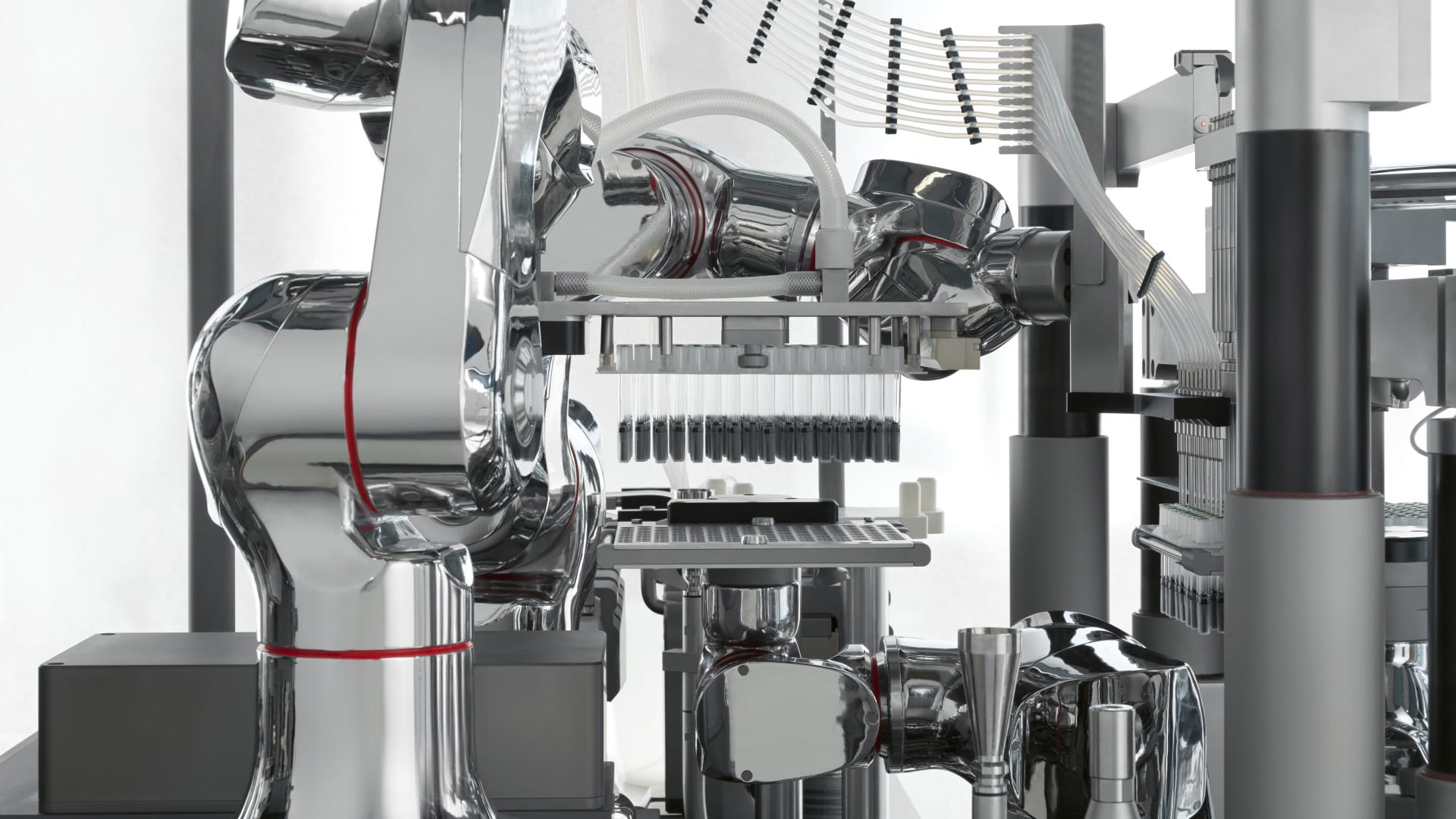
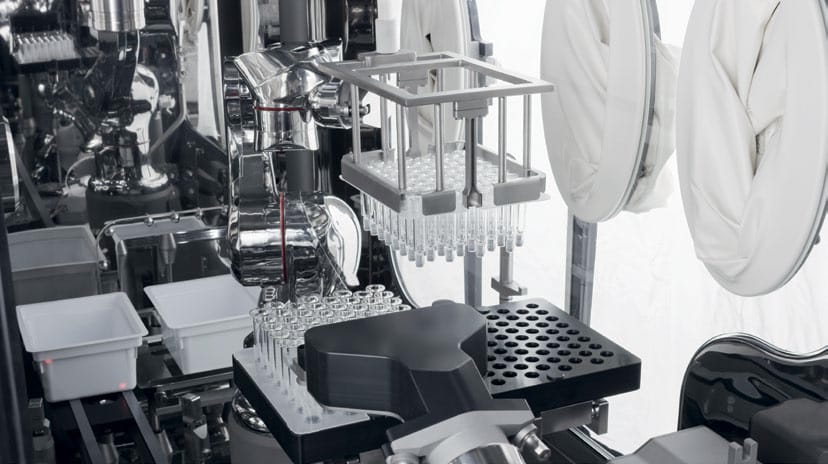
No‑Touch Transfer technology represents a mechanized method for introducing pre‑sterilized RTU containers into aseptic isolators while eliminating direct contact throughout the transfer process. The system operates on the principle that RTU packaging, such as tubs or trays, remains uncontaminated because they are opened with a rigorous technique up to the Grade A environments.
The NTT system operates through a staged de‑bagging process utilizing advanced robotic automation:
Technical implementation involves 6‑axis articulated robots specifically designed for aseptic environments, with the Kawasaki robot selected for its internal‑routing capabilities and superior cleanability. The robotic system mimics gentle human manipulation while maintaining precise control over contamination‑sensitive operations.
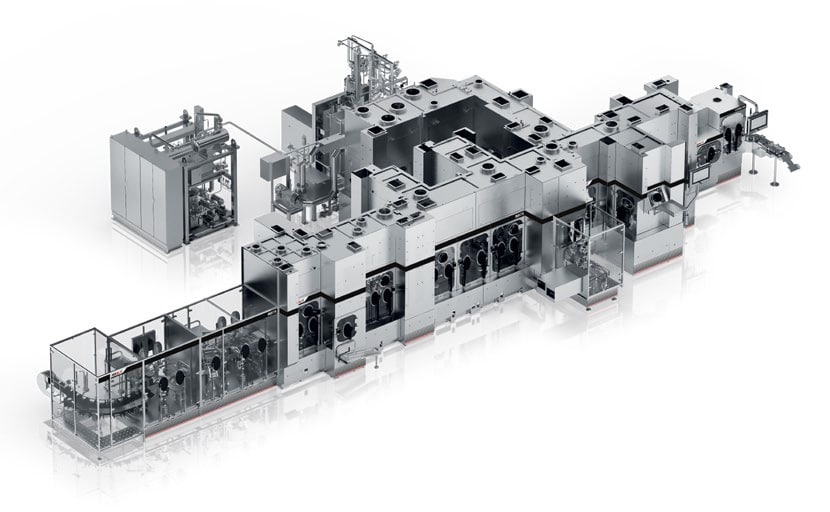
NTT systems are integrated into high‑speed filling lines, particularly the IMA Life INJECTA series machines. The INJECTA 36 robotic fill‑finish solution incorporates fully automated NTT configurations capable of processing up to five RTU containers per minute while maintaining productivity rates of up to 36,000 syringes per hour. The technology is implemented across various machine configurations (INJECTA 6, INJECTA 10 and INJECTA 36), providing scalability from development phases to full commercial production.
Traditional RTU‑container introduction processes present multiple contamination vulnerabilities, particularly at transition points between classified areas and during automated bag‑opening procedures. Contamination may occur due to:
GMP regulations — particularly the recently updated Annex 1 — impose rigorous requirements for aseptic processing systems with specific emphasis on contamination control and first air protection. The regulations demand comprehensive risk assessments for any procedure that may lead to contamination of aseptic areas where critical filling and stoppering operations occur.
NTT technology addresses these contamination sources through several validated mechanisms:
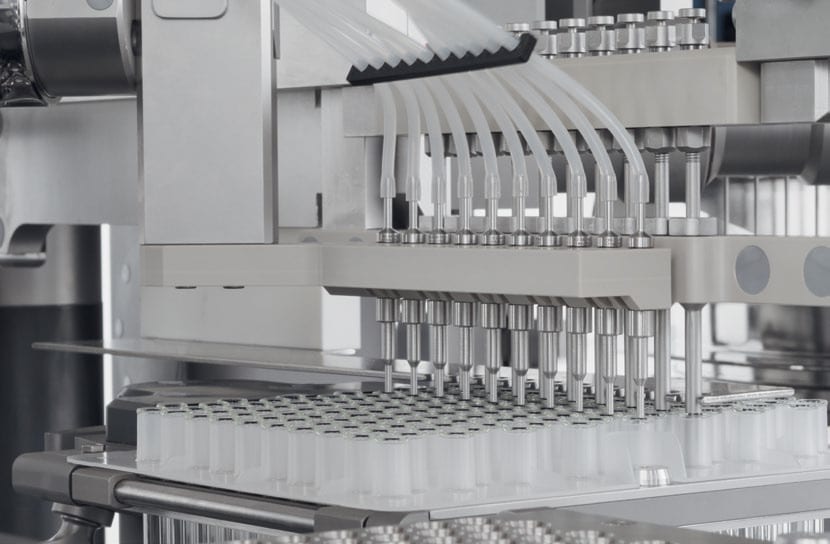
Validation activities performed by IMA Life engineering teams include CFD simulations confirming intended airflow features, smoke‑pattern testing demonstrating preservation of sterility classifications, and innovative docking‑port designs that allow airflow circulation without blockage while maintaining pressure cascades.
The IMA Life INJECTA 36 system demonstrates that NTT implementation enhances productivity, achieving output rates of up to 36,000 nested syringes per hour. This high‑speed capability makes the system suitable for large‑scale production of generic injectables, vaccines and biologics while maintaining complete automation of critical transfer operations. The designed NTT system processes up to five RTU containers per minute, supporting high‑speed line requirements.
Active installations demonstrate consistent productivity achievements. INJECTA 36 units installed at Thermo Fisher facilities are designed to maintain specified production rates while ensuring sterility assurance. Multiple INJECTA 6 installations across sites such as Thermo Fisher Italy, MSD USA, Adienne Italy, Polfa SA Poland, Libbs Farmaceutica Brasil and Bayer Germany provide evidence of scalable productivity across different production volumes.
INJECTA 6 systems with NTT capabilities operate in facilities producing various product types, from traditional small molecules to advanced biologics and high‑containment applications. The technology has been successfully implemented for productions requiring different containment levels, including OEB 5 applications and BSL-2 bio-hazardous production sites.
NTT technology demonstrates broad compatibility with various RTU formats — vials, syringes and cartridges delivered in tubs and trays.
The system accommodates different container sizes and configurations through flexible robotic‑handling capabilities, supporting both standard production requirements and customized applications.
IMA Life NTT technology delivers three primary benefits that position it as essential for modern injectables manufacturing:
The technology proves particularly suitable for large‑scale pharmaceutical manufacturers and CDMOs managing medium and high‑volume production campaigns, facilities producing large‑scale drug products and companies transitioning from traditional bulk processing to RTU‑container systems.
Implementation timing favours early adoption, as regulatory trends increasingly emphasize automation and contamination control. The proven track record of IMA Life across multiple installations ‑ combined with ongoing enhancements in robotic capabilities and process integration ‑ provides confidence in long‑term value and total regulatory compliance.