menu

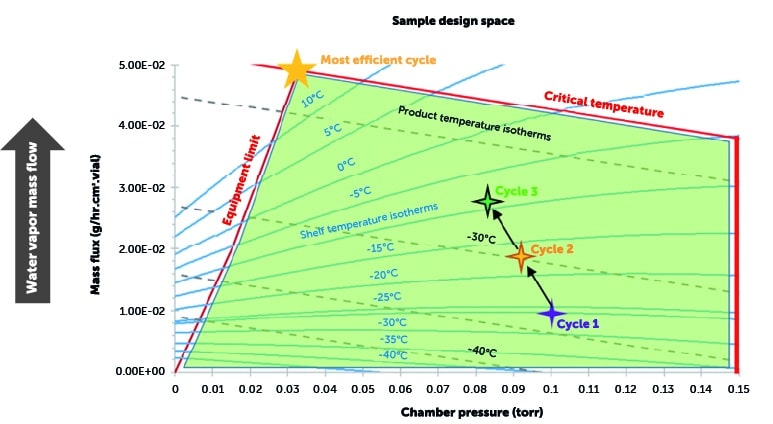
In pharmaceutical lyophilization, establishing a well-defined design space is essential for ensuring robust, scalable, and quality-driven processes. The design space represents a multidimensional relationship among critical input variables and process parameters that influence sublimation dynamics and, consequently, product quality and performance. Visualizing this relationship-such as mapping mass flow rate against chamber pressure-enables the identification of optimal operating conditions that maintain efficiency while mitigating risks like product collapse or choked flow. By integrating experimental data with modeling and simulation, a scientifically justified design space can be defined, ensuring process controllability and compliance with Quality by Design (QbD) principles. The following slides outline our approach to constructing this design space, emphasizing its practical applications in process development and scale-up.
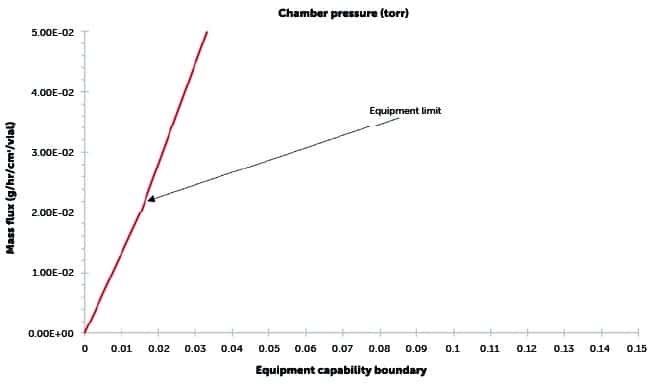
A design space is a graphical representation of various process parameters that influence the primary drying of a product, displaying regions that allow for efficient drying while staying within the bounds of the process. A design space is generally constructed as part of a quality by design (*QbD) cycle development project, supporting a first-principles-based and scientifically justified approach to cycle development and modification.
* Check our previous post for steps involved in a QbD cycle development project

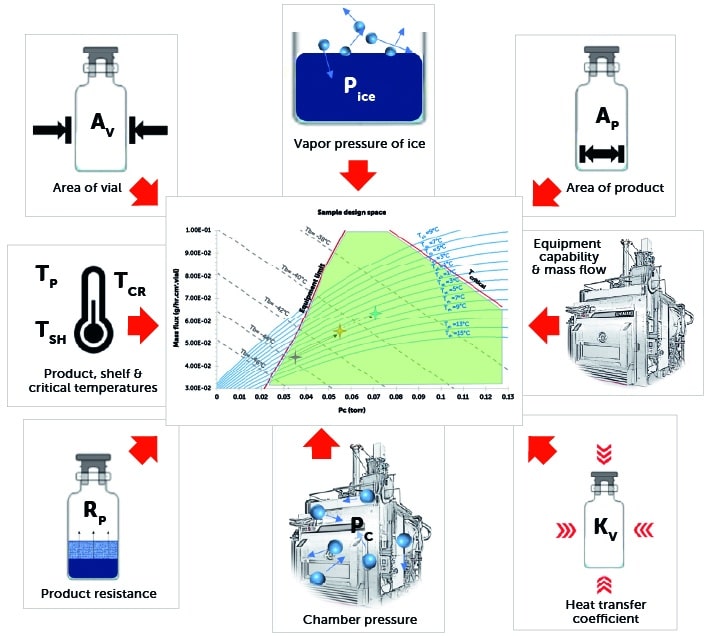
Constructing a design space – step 1

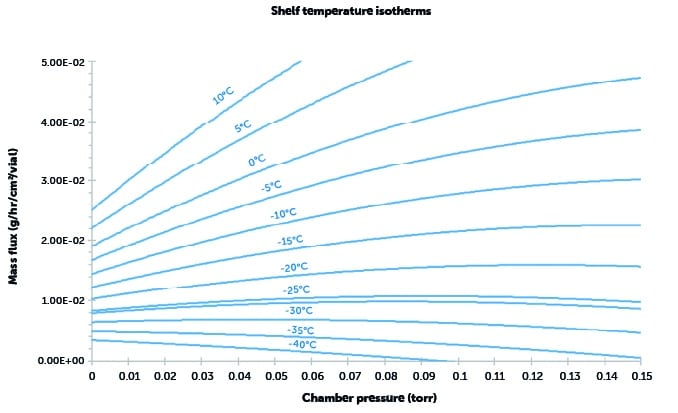
Constructing a design space – step 2
Construct product isotherms:

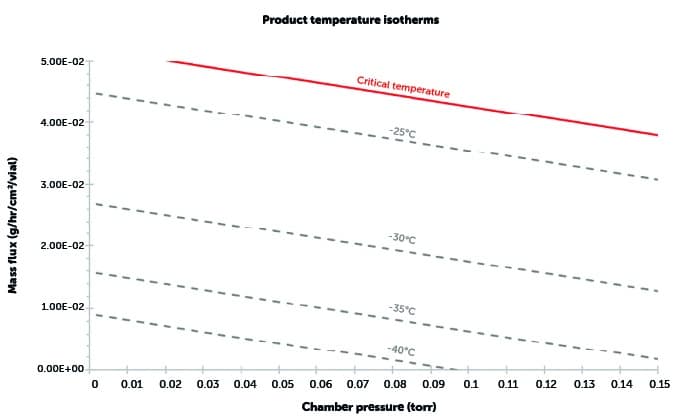
Constructing a design space – step 3
Add equipment capability boundary:
Green area denotes acceptable zone