Pharmakeyboard_arrow_rightPharmaceutical semi-solids under the spotlight: what the market demands and how production must respond
menu

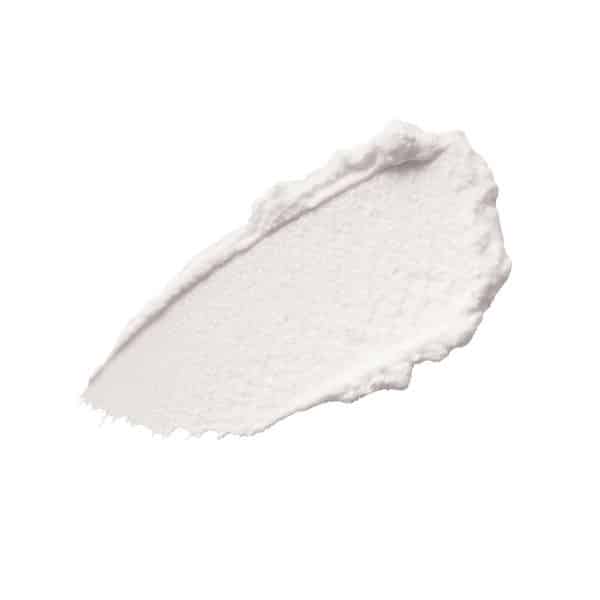
The pharmaceutical industry is experiencing a significant shift towards topical formulations, driven by the demand for non-invasive treatments and the increasing prevalence of chronic skin conditions. Products such as creams, gels, ointments, balms, and emulsions are now integral to therapeutic regimens, offering targeted delivery of active ingredients. These formulations are designed to treat a variety of conditions, including dermatological disorders, localized infections, inflammatory diseases, and conditions requiring protective or soothing balms.
Pharmaceutical creams and emulsions are characterized by their complex compositions, often containing combinations of water, oils, emulsifiers, active pharmaceutical ingredients (APIs), stabilizers, and excipients. Balms and pastes can be highly viscous and may require heating or melting of lipid-based components to achieve proper integration. The desired consistency and stability of these products are paramount, as they must be easy to apply, non-irritating, and capable of delivering the API effectively to the target site. Viscosity, particle size distribution, homogeneity, and the thermal sensitivity of certain actives are all critical parameters that influence product performance and patient compliance.
The production of pharmaceutical creams, liquids, and balms presents several challenges:
These challenges translate directly into the requirements for specialized equipment capable of precise control over mixing, temperature, and material handling.
Impact on production equipment design
To meet these challenges, equipment must be flexible, scalable, and capable of processing a wide range of viscosities and ingredient types. This includes:
Advanced recirculation and HMI-controlled automation allow these processes to be precisely monitored, programmed, and replicated, ensuring repeatable quality and compliance.
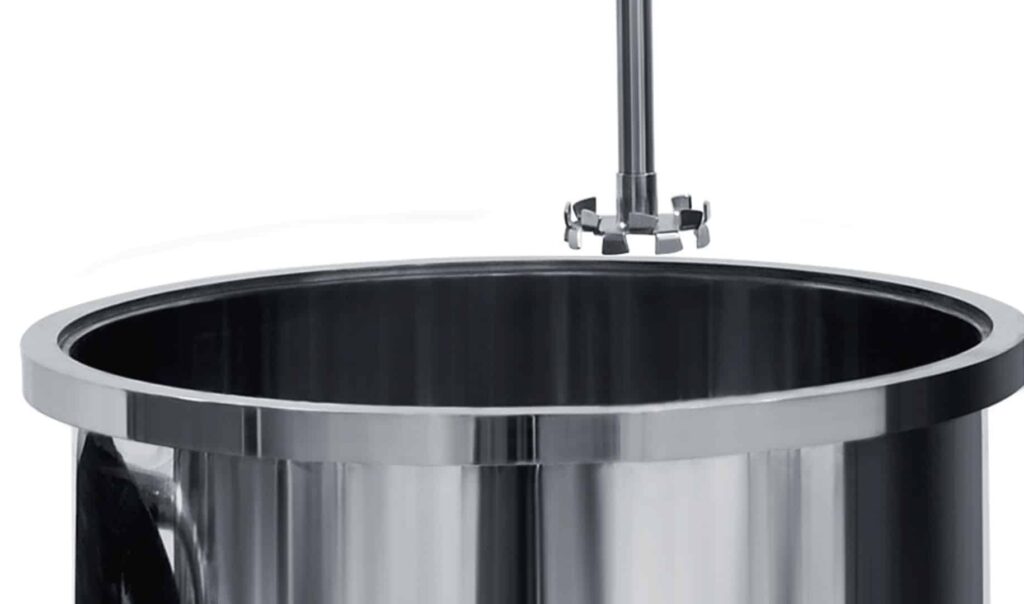
Omas Tecnosistemi, part of the IMA Group, has long been recognized as a specialist in processing technologies for the pharmaceutical industry. Its portfolio is designed to respond to the diverse challenges of cream, gel, paste, and balm production with equipment that combines precision, flexibility, and scalability.
The range includes pre-melters and dissolvers, which are seamlessly integrated with mixers to handle both fatty components that require controlled melting and powdered ingredients that demand thorough dispersion. For products spanning from light emulsions to dense, highly viscous pastes and balms, Omas offers turboemulsifiers and mixers, ensuring homogeneity and stability across different textures.
These technologies can be configured as integrated systems, bringing together melting, dissolving, mixing, homogenization, and temperature control in a single streamlined process. The result is efficient production with minimal contamination risks and optimized product quality. Moreover, Omas solutions are designed to be scalable, supporting everything from laboratory-scale development to full industrial production while ensuring compliance with the strictest regulatory requirements.
To sustain high productivity and hygiene standards, automated CIP systems complete the offering, enabling rapid and reliable cleaning of all components. In this way, Omas not only provides advanced equipment but also delivers comprehensive solutions that align with the evolving needs of modern pharmaceutical manufacturing.
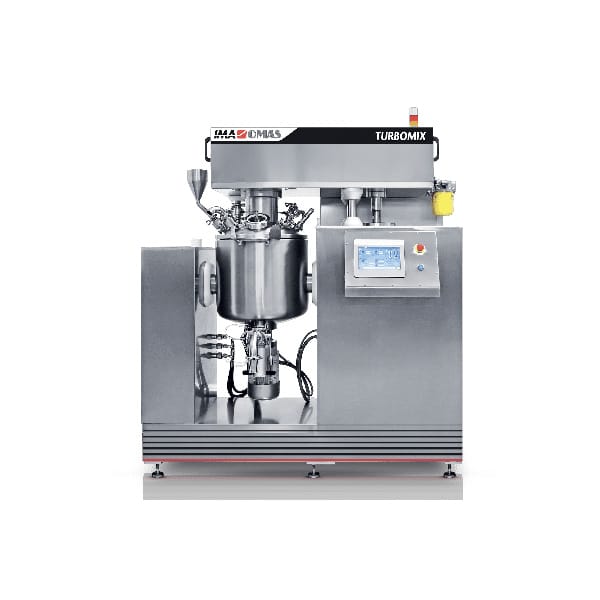
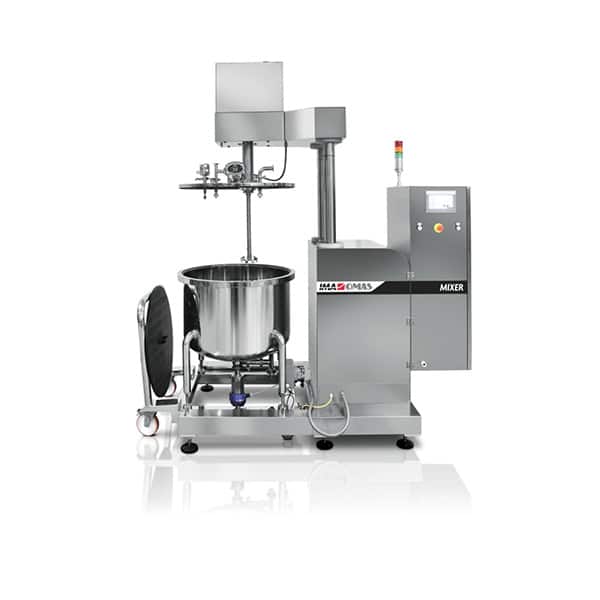
| TURBOMIX | MIXER | DISSOLVER | PRE-MELTER |
|
Undervacuum turboemulsifier |
Mixing technology |
Dissolving powder into liquids | Pre-melting phase for fat products |
 |
 |
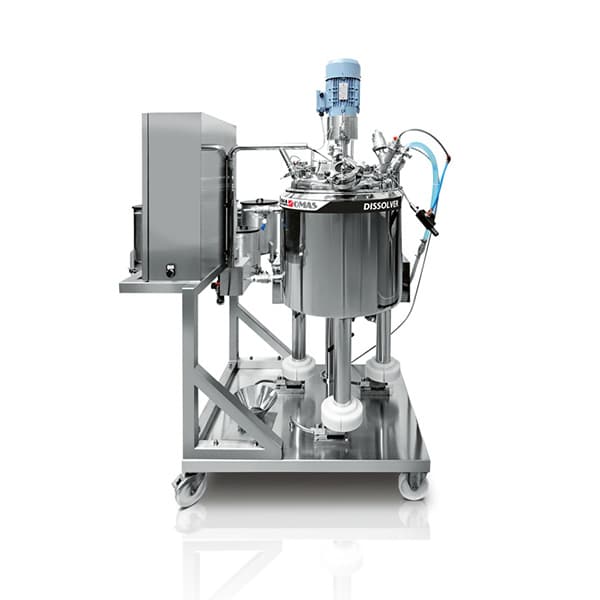 |
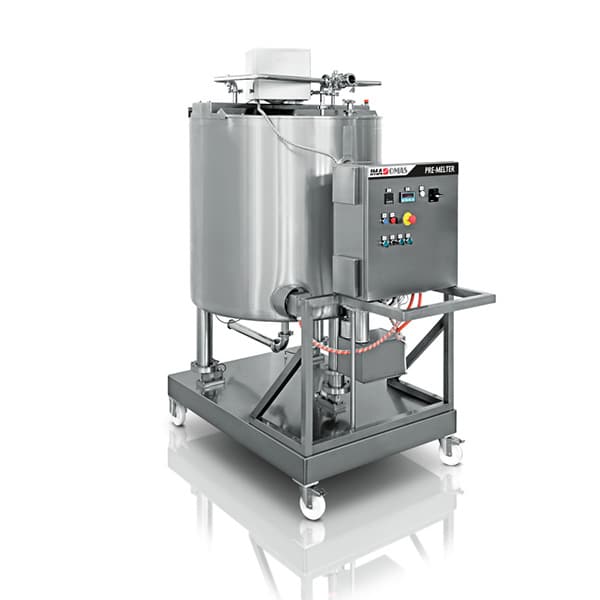 |
The manufacturing of pharmaceutical creams, liquids, and balms demands deep knowledge of formulation properties, ingredient sensitivities, and regulatory requirements. By leveraging the solutions from Omas Tecnosistemi manufacturers can produce high-quality, stable, and effective products with consistency and efficiency.
What makes this approach even more powerful is the synergy between Omas Tecnosistemi and IMA: together, they are able to deliver complete lines that go far beyond processing. From the primary packaging of semi-solid and liquid products, in any desired format and using either rigid or flexible containers, through to secondary packaging and end-of-line solutions, the collaboration ensures a fully integrated path from formulation to final pack. This not only guarantees patient safety and product integrity, but also provides pharmaceutical companies with a streamlined, future-proof production model.