menu

Closed RABS is a barrier technology designed to separate operators from aseptic processes, ensure sterility assurance and adequate operator protection for mildly potent products while remaining a flexible, cost-effective solution
Closed RABS is a barrier technology designed to separate operators from aseptic processes, ensure sterility assurance and adequate operator protection for mildly potent products while remaining a flexible, cost-effective solution
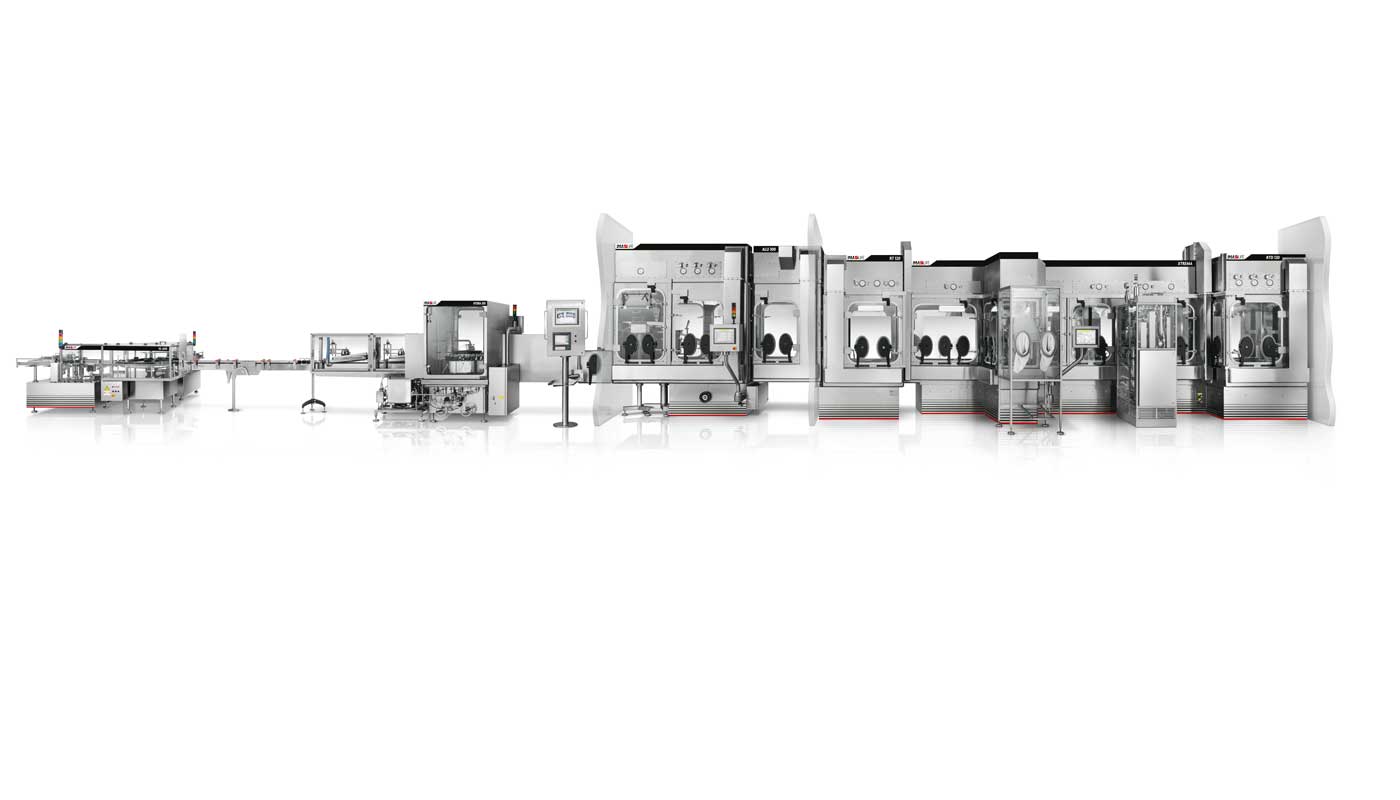
Closed Restricted Access Barrier Systems (Closed-RABS or C-RABS) represent an advanced evolution of traditional open RABS, combining aseptic process protection with a minimal degree of operator safety during the handling of mildly potent compounds. While open RABS are widely used in the pharmaceutical sector as a cost-effective barrier to separate the production area from operators and the surrounding environment, they offer product protection when airflow is active but no protection to personnel when potent products are processed. Closed RABS, on the other hand, enhance safety for operators, ensuring a first level of containment.
From a regulatory perspective, closed RABS share the same cleanroom background requirements as open RABS, typically operating in a Grade B (ISO 7) environment with an internal Grade A (ISO 5) zone around the critical process. This ensures alignment with international GMP expectations while maintaining flexibility in facility design.
Closed RABS are frequently employed in powder filling lines, as well as for the containment of external vial-washing machines and capping stations, where an additional degree of product and operator protection is required without compromising process efficiency.

IMA has always been committed to reducing the environmental impact of its equipment, addressing the issue of consumption through design choices, high-efficiency components and optimising the control dynamics on processing machines such as barrier technologies (open RABS and closed RABS).